
DOWNLOAD BROCHURE

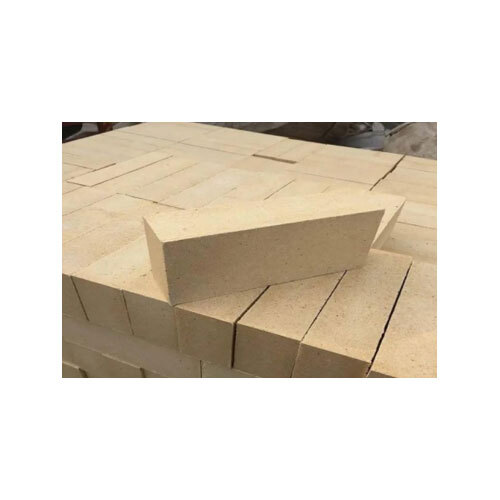
Acid Resistant Brick

Acid Resistant Brick
Unit of Measure Piece/Pieces
Size 230mm x 115mm x 38mm (custom sizes available)
Material High Quality Fireclay / Silica / Alumina
Shape Rectangular
Water Absorption < 1.5%
Drying Shrinkage < 0.1%
Feature Resistant to acid and alkali, high temperature, and corrosion
Dimension (L*W*H) 230 x 115 x 38 mm
Type Bricks
Thickness 25 mm / 38 mm / 75 mm
Color Brown
Porosity Low
Technics Pressed Moulded
Working Life Long-lasting / Durable
Compressive Strength > 700 kg/cm2
Porosity (%) 8% - 12%
Bricks Type Acid Resistant Brick
Delivery Time 7 Days
Supply Ability 100 Per Month

  • AR Brick confirming to IS:4860-1962, Class-I and ASTM C-279 is used where lower absorption and higher acid resistance are required.
  • Industrial red shale or fire clay brick, resistant to acid, alkalis, solvents, high mechanical and thermal stress.
  • It has excellent resistant against wide range of chemicals except hydrofluoric acid, high abrasion resistance, low wearing properties, high thermal resistant to sudden change in temperature.
AR BRICK is available in following dimension(mm):
  • 230 x 115 x 75
  • 230 x 115 x 38


Exceptional Chemical and Thermal Resistance

Our acid resistant bricks exhibit strong endurance against acids (excluding hydrofluoric acid) and alkalis, making them perfect for use in highly corrosive industrial settings. They maintain structural integrity at temperatures as high as 1200C, ensuring unwavering protection in extreme conditions. The combination of low porosity and robust composition further enhances thermal insulation and prevents chemical penetration, contributing to extended working life.


Multiple Applications Across Industries

Engineered for flexibility, these bricks are widely utilized in chemical plants, fertilizer factories, power stations, and steel production facilities. Their versatility extends to the lining of tanks, flooring, and reactor vessels, where both chemical resistance and mechanical strength are paramount. Their smooth finish ensures easy cleaning and maintenance, making them a premier choice for sectors demanding hygiene and durability.


Adherence to Global Standards and Quality Assurance

Quality is at the core of our manufacturing process. Our acid resistant bricks strictly conform to IS 4860, ASTM C279, and DIN EN 14580 standards. Each brick undergoes precise pressed moulding to deliver accurate dimensions and superior edge integrity, available in both straight and chamfered finishes. Secure packaging in wooden pallets or carton boxes ensures safe delivery for domestic and international projects.

FAQ's of Acid Resistant Brick:


Q: How are acid resistant bricks made and what materials are used in their composition?

A: Acid resistant bricks are produced using high-quality fireclay, silica, and alumina. These raw materials are processed with pressed moulding techniques, resulting in bricks with low porosity, high mechanical strength, and superior chemical resistance. This robust composition ensures they withstand extreme chemical and thermal environments.

Q: What benefits do these bricks offer in industrial settings?

A: These bricks deliver outstanding protection against acids (except hydrofluoric acid) and alkalis, boast high compressive strength (>700 kg/cm2), and have low water absorption (<1.5%). Their durability and smooth finish support longevity, hygiene, and ease of maintenance in aggressive environments like chemical plants, fertilizer factories, and steel industries.

Q: When should acid resistant bricks be used instead of conventional bricks?

A: Acid resistant bricks are essential when facing frequent exposure to corrosive chemicals, high temperatures (up to 1200C), or mechanical abrasion. Conventional bricks can degrade rapidly in such conditions, while acid resistant bricks maintain integrity and safety, making them indispensable for tank linings, reactor vessels, industrial flooring, and similar applications.

Q: Where can acid resistant bricks be applied for optimal results?

A: These bricks are ideal for application in chemical plants, power stations, fertilizer manufacturing sites, and steel mills. They are frequently used for lining storage tanks, floors, and reactors where chemical exposure and mechanical stresses are common, ensuring reliable operation and safety.

Q: What process ensures the quality and standard compliance of these bricks?

A: All bricks are manufactured under strict quality control, adhering to IS 4860, ASTM C279, and DIN EN 14580 standards. Pressed moulding techniques guarantee uniform density and shape, and packaging in wooden pallets or cartons preserves their integrity during transport and storage.

Q: How do you install and maintain acid resistant bricks for maximum performance?

A: Installation typically involves specialized acid-resistant mortars and precise alignment to minimize joint exposure. Regular cleaning with non-abrasive methods preserves their smooth surface. Proper installation and routine checks ensure the bricks' chemical and thermal protective properties remain intact for years.